Creating Bedtime Routines That Honour Individual Preferences

For many children, bedtime is a time of comfort and rest, and a chance to recharge for the day ahead. Everyone has their own bedtime routine, and this is still the case for autistic children. For many, bedtime can sometimes be a complex experience shaped by sensory sensitivities and individual rhythms. The good news is that when we understand and respect each child’s sensory preferences, bedtime can become not just easier, but genuinely restorative and empowering.

Helping Kids Cope with Change (Big and Small)

For many children with autism, transitions, such as moving from one activity, place, or expectation to another, can be a genuinely challenging experience. Whether it’s leaving the playground, switching from screen time to dinner, or adjusting to a substitute teacher, these moments of change can trigger distress that leaves everyone feeling exhausted.

When Your Child Won’t Eat: Feeding Challenges & ARFID

Mealtimes can be one of the most stressful parts of the day when your child has a limited diet. If your little one only eats a handful of foods, refuses entire food groups, or becomes distressed at the sight of new foods on their plate, you’re not alone, and there are effective strategies that can help.

Toileting Readiness & Success for Children with Autism

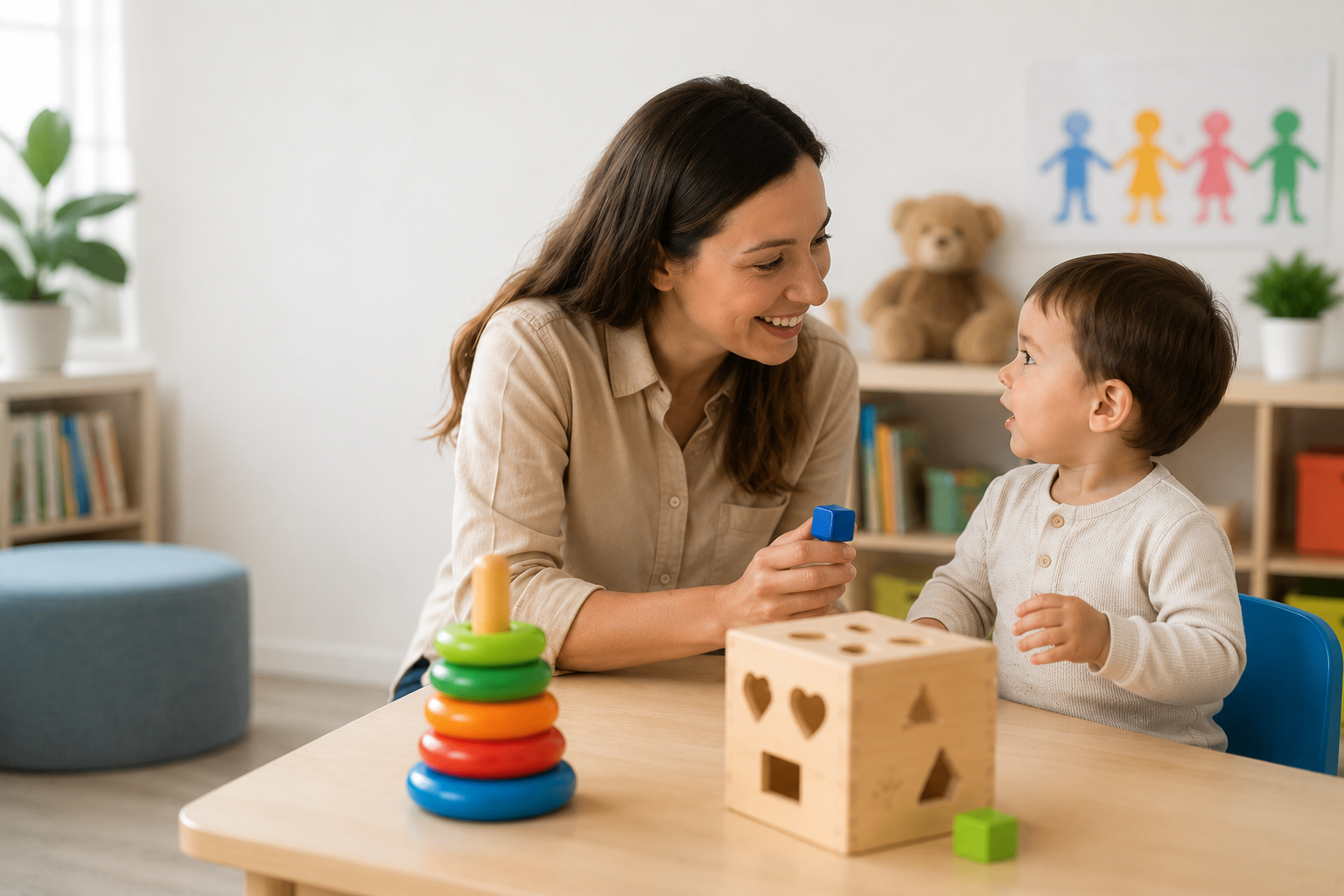
Little kids playing toys at learning center

Learning to use the toilet is a significant milestone, and for children with autism, it often requires additional patience, planning, and support. If you’re navigating this journey with your little one, know that success is absolutely achievable. It may simply look a little different from what friends or family have experienced.

Friendship Skills: Helping Your Child Navigate Social Connections

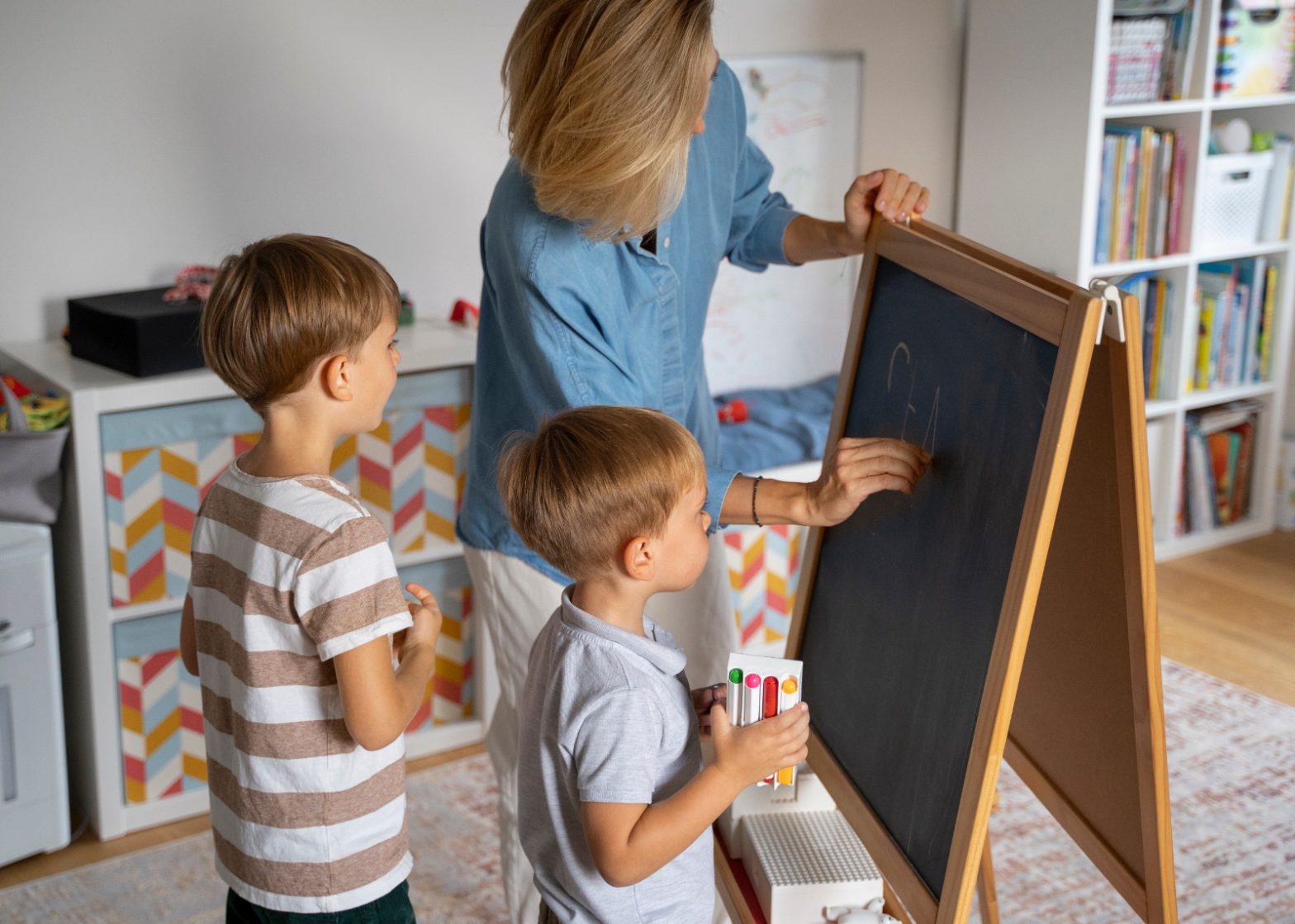
Creative children are playing with teacher at the kindergarten

Friendships enrich our children’s lives in countless ways, including providing companionship, building confidence, and creating opportunities for joy and belonging. For children with autism, the social world can sometimes feel like a puzzle with missing pieces. The unwritten rules, subtle cues, and complex dynamics of friendship don’t always come naturally.

Thriving in Education: Building Positive Learning Environments for Children with Autism

Every child deserves the chance to thrive in an environment that recognises their individuality and nurtures their potential. For children with autism, success in childcare, kindergarten, and school often depends on the strength of the partnership between families and educators. When parents and teachers work together, children are supported consistently across the day, helping them to build confidence, manage challenges, and celebrate achievements.

Understanding and Managing Sensory Overload in Public Spaces

Public spaces are full of sights, sounds, smells, and sensations, from the bright lights of a shopping centre to the rumble of a passing train. For many children, these environments are stimulating and exciting. But for some, the sheer amount of sensory input can become overwhelming, leading to what’s often referred to as sensory overload.

NDIS Ahead: A Guide for Families Seeking Autism Support

Recent changes to the National Disability Insurance Scheme (NDIS) have introduced new frameworks and requirements that directly impact families of children with autism. Understanding these developments is crucial for navigating support options effectively.

The Power of Visual Supports: Enhancing Communication and Independence

For many children living with autism, the world can be an overwhelming place. From unpredictable transitions to complex social cues, everyday situations often carry an added layer of challenge. One powerful, evidence-based way to support children through this complexity is the use of visual supports—tools that clarify expectations, reduce anxiety, and promote independence.