Thriving in Education: Building Positive Learning Environments for Children with Autism
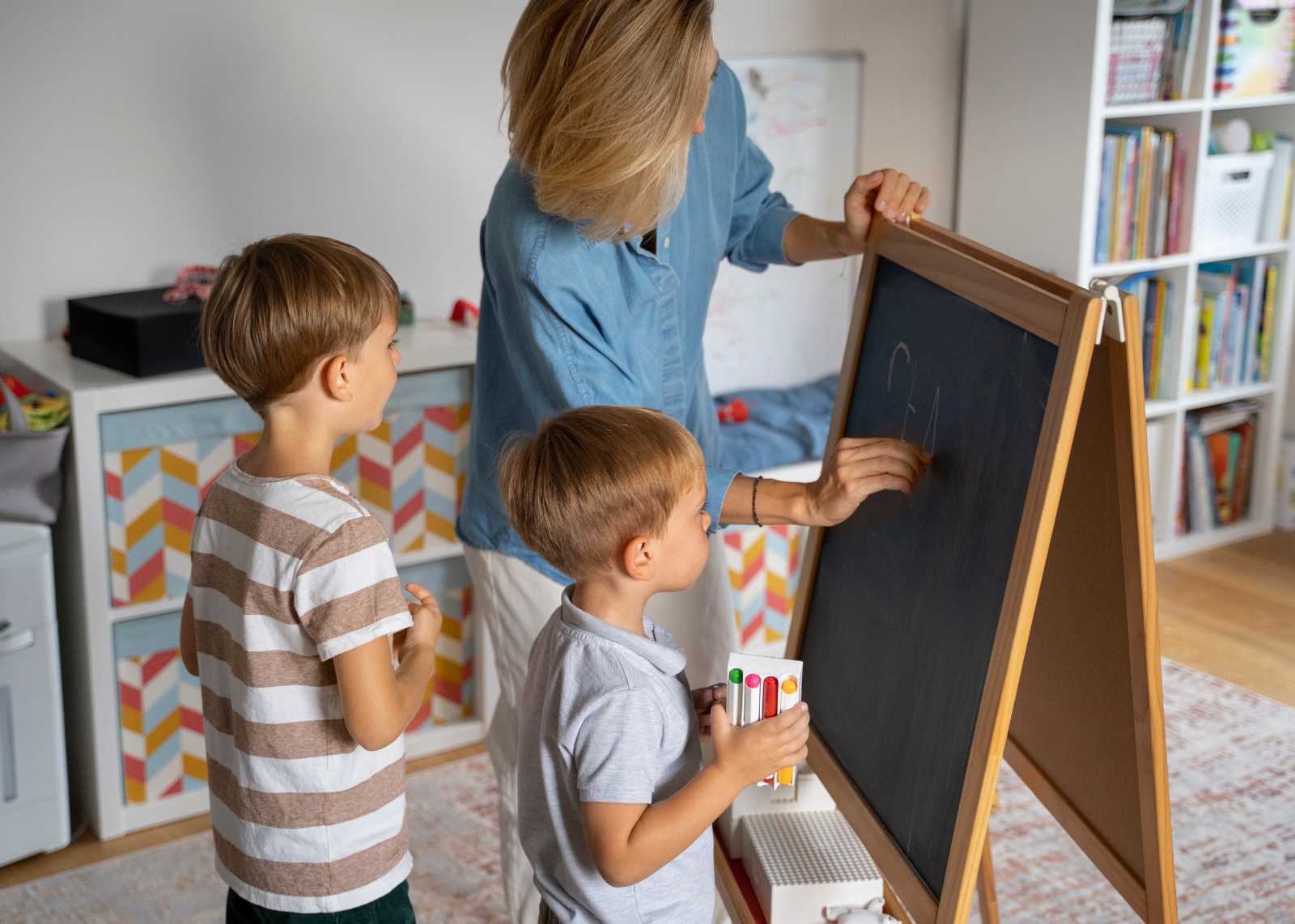
Supporting Children With Autism: Building Strong Partnerships Between Families and Educators
Every child deserves the opportunity to thrive in an environment that recognises their individuality, strengths and potential. For children with autism, success in childcare, kindergarten and school can often depend on the strength of the partnership between families and educators.
When parents, teachers and other professionals work together, children receive more consistent support throughout their day. This collaborative approach can help children with autism build confidence, develop communication and social skills, manage challenges and celebrate their achievements.
What Are the Benefits of Family and Educator Partnerships?
Strong partnerships between families and educators can make a meaningful difference to a child’s development and learning experience. When parents and teachers share information and insights, educators gain a clearer understanding of the child’s strengths, needs and preferences, while families feel reassured that their child is understood and supported at school.
For example, if a child with autism responds well to advance warnings about changes in routine at home, teachers can use the same strategy in the classroom. This small but consistent adjustment may help reduce anxiety and allow the child to participate more comfortably in learning and social activities.
The benefits of effective family and school collaboration include:
- Shared understanding: Teachers gain valuable insights into the child’s strengths, communication style, interests and support needs.
- Aligned goals: Families and educators can work towards common goals, such as improving communication, self-regulation, independence and social skills.
- Consistent support: Using similar strategies across home and school can make expectations easier for children to understand.
- Greater confidence: Children can feel safer and more secure when the adults around them communicate and work together.
When families and educators work as a team, children are more likely to experience consistent support that can be maintained across different environments.
Effective Communication Strategies for Families and Educators
Communication is one of the most important parts of a successful partnership between parents and educators. Establishing open and regular communication channels allows families and teachers to celebrate progress, identify concerns early and adjust strategies when needed.
Families can build positive relationships with educators by:
- Scheduling brief but regular meetings to discuss progress and emerging concerns.
- Using communication diaries, school apps or email to share relevant updates.
- Providing positive feedback when a classroom strategy works well.
- Sharing changes or challenges at home that may affect the child’s behaviour, communication or emotional regulation at school.
- Asking teachers what strategies are working well in the classroom so they can be reinforced at home.
Teachers also benefit from practical information about what works for the child outside school. For example, knowing that a child responds well to a particular visual cue, phrase or routine can help educators provide more effective support in the classroom.
Clear, respectful and two-way communication can prevent misunderstandings, strengthen trust and ensure everyone is working towards the same goals.
How Can Parents Advocate for Their Child’s Needs at School?
Families are important advocates for their child’s needs. Parents know their child best and can provide valuable information that helps educators understand how to create a supportive and inclusive learning environment.
One practical tool is an “About Me” profile. This short document can give teachers a quick overview of the child’s strengths, interests, communication preferences and support needs.
An About Me profile might include:
- Strengths and interests: For example, enjoying music, building activities, puzzles, drawing or particular subjects.
- Triggers or stressors: Such as loud environments, unexpected changes, crowded spaces or sudden transitions.
- Calming strategies: For example, access to headphones, a quiet space, movement breaks or a preferred fidget tool.
- Communication preferences: Such as visual supports, short instructions, gestures or additional processing time.
- Early signs of distress: Information about how the child may communicate that they are becoming overwhelmed.
Sharing this information at the beginning of the school year or when a child moves to a new setting can give educators a practical starting point for providing individualised support.
How Can Home and School Strategies Work Together?
Children with autism often benefit when important strategies are used consistently across different environments. Parents can encourage this by sharing successful approaches from home and working with educators to adapt them for the classroom.
Examples include:
- Visual supports: If a child uses a picture schedule at home, a similar visual schedule may help them understand the classroom routine.
- Positive reinforcement: A consistent points, token or reward system may help reinforce specific skills across different settings when appropriately designed for the child.
- Familiar cues: Using similar words, gestures or instructions at home and school can reduce confusion and increase predictability.
- Social stories: Stories used to explain unfamiliar situations at home can also be adapted to prepare children for school activities and changes.
Consistency does not mean that home and school must operate in exactly the same way. Instead, it means identifying strategies that help the child and finding practical ways to apply them across different environments.
This continuity can help children feel more secure while supporting their ability to transfer developing skills from one setting to another.
Understanding Behaviour Support in Schools
Behaviour support should focus on helping children succeed rather than punishing them for behaviours they may be using to communicate a need, manage stress or cope with their environment.
Many schools use structured approaches to support positive behaviour and participation, including frameworks such as Multi-Tiered Systems of Support (MTSS). These approaches generally provide different levels of support depending on the needs of individual students.
- Universal supports: Clear expectations, predictable routines, positive reinforcement and supportive classroom environments designed for all students.
- Targeted supports: Additional interventions, small-group activities or social skills programs for children who need extra guidance.
- Individualised supports: Personalised strategies and behaviour support plans designed around a child’s specific strengths, needs and goals.
Parents can ask their child’s school how these support systems work and how families can reinforce relevant skills at home.
For example, if a child is learning to wait and take turns before speaking in class, families may be able to practise turn-taking during meals, board games or other everyday activities.
Supporting Children With Autism Through School Transitions
Transitions can be challenging for many children with autism, particularly when moving from childcare to kindergarten, kindergarten to primary school or primary school to another educational setting.
Changes may involve a new building, unfamiliar teachers, different routines, new classmates and increased expectations. Careful preparation and communication between families and educators can make these changes more predictable and manageable.
Practical transition strategies include:
- Familiarisation visits: Take your child to explore the new classroom, playground and other important areas before their first day.
- Transition books: Create a personalised booklet containing photographs of the new environment, teachers, routines and important locations.
- Gradual entry: Where appropriate and possible, consider shorter days or a gradual increase in attendance to help the child adjust.
- Information sharing: Meet with new educators to discuss successful strategies, communication methods, routines and supports used in the previous setting.
- Visual preparation: Use visual schedules, social stories or simple explanations to help your child understand what will change and what will stay the same.
When families and educators plan transitions together, children can experience change as a gradual and supported process rather than a sudden disruption.
Supporting Your Child’s Development Across the Day
Thriving at school involves much more than academic achievement. Children also need to feel valued, understood, safe and confident in the environments they spend time in.
Families can support development across home, school and the wider community by:
- Reinforcing appropriate school strategies at home, such as social stories, visual schedules and calming routines.
- Sharing feedback with teachers about strategies that are working well outside school.
- Encouraging participation in community activities, hobbies or extracurricular programs that support similar communication and social goals.
- Celebrating progress and recognising the child’s individual strengths rather than focusing only on areas of difficulty.
- Encouraging independence by giving the child opportunities to practise skills in different environments.
The goal is to create a connected support network where the child’s needs are considered throughout the day, from morning routines at home and classroom learning to playground activities and after-school experiences.
Helping Children With Autism Thrive Through Partnership and Consistency
Positive learning environments are built through partnership, communication and consistency. For children with autism, collaboration between families and educators can provide the foundation they need to feel understood, supported and confident.
Parents and teachers each bring valuable knowledge to the partnership. When they share information, establish common goals and use supportive strategies across different settings, children have more opportunities to develop skills and apply what they have learned in everyday situations.
With the right support network around them, children with autism can do more than simply cope with the demands of childcare, kindergarten or school. They can build meaningful relationships, develop independence, discover their strengths and truly thrive.
Published On : August 28, 2025
Read more

Published On : September 18, 2025

Published On : January 13, 2026
Friendships enrich our children's lives in countless ways, including providing companionship, building confidence, and creating opportunities for joy and belonging. For children with autism, the social world can sometimes feel like a puzzle with missing pieces. The unwritten rules, subtle cues, and complex dynamics of friendship don't always come naturally.