Turning Fun into Functional Learning: The Power of Play in ABA Therapy
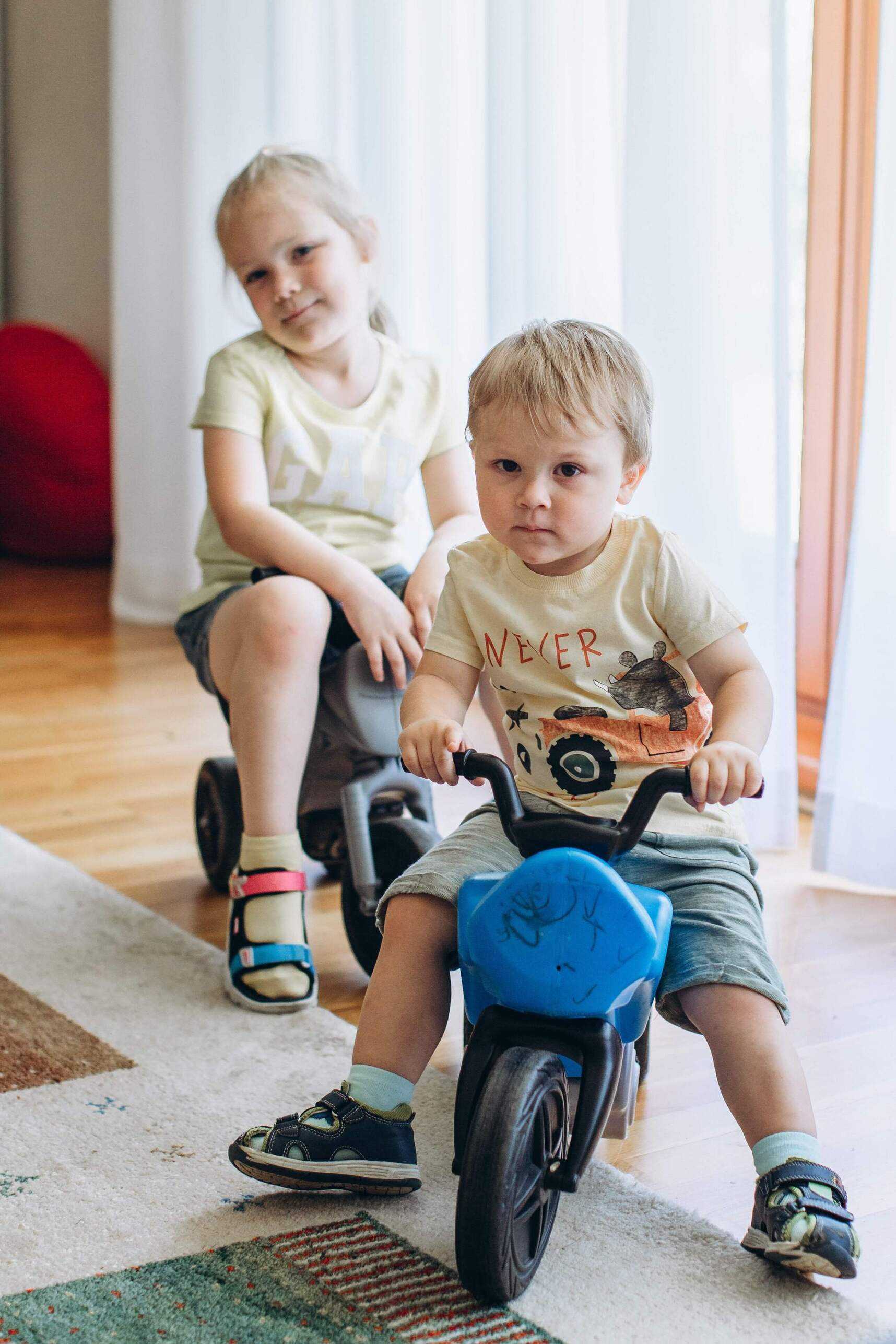
Play-Based ABA Therapy: How Play Supports Learning for Children With Autism
For children, play is more than just fun. It is one of the ways they learn, communicate, connect with others and understand the world around them. For children with autism, play can also provide a powerful pathway for developing new skills in ways that feel natural, engaging and meaningful.
At the Lizard Centre, we embrace play as an important part of our therapy programs. By integrating play-based strategies within Applied Behaviour Analysis (ABA), we help children develop communication, social interaction, cognitive and everyday skills while building on their individual interests and strengths.
Why Is Play Important in Autism Therapy?
Children with autism may experience differences in the way they engage with play. Some children may prefer solitary or repetitive activities, while others may find imaginative play, sharing activities or playing with peers more challenging.
These differences do not mean that play is less important. In fact, play can create valuable opportunities for children with autism to practise skills that support communication, relationships, learning and independence.
Through play, children can learn to:
- Communicate wants, needs and preferences
- Understand cause and effect
- Recognise and express emotions
- Build relationships and social connections
- Take turns and share activities
- Develop motor coordination
- Practise problem-solving and thinking skills
For children with autism, play can be both a motivator and a teaching environment. Therapists can use a child’s preferred activities and interests to introduce new skills in ways that feel enjoyable, comfortable and relevant to them.
What Is Play-Based ABA Therapy?
Applied Behaviour Analysis (ABA) is an evidence-based approach that can be used to support children in developing new skills and behaviours through structured and individualised interventions.
When ABA incorporates play-based and naturalistic teaching strategies, therapists can use activities that are meaningful to the child while working towards clearly defined learning goals.
At the Lizard Centre, therapy may incorporate a combination of naturalistic teaching strategies and discrete trial teaching (DTT), depending on the individual needs, goals and learning style of each child.
Rather than relying only on drills or repetition, play-based ABA can make learning more engaging through sessions that are:
- Child-led: Therapists can follow the child’s interests and preferred activities to encourage engagement and motivation.
- Interactive: Therapists participate in play, model skills and provide prompts within natural situations.
- Purposeful: Play activities can be used to teach specific skills, such as requesting an item, waiting for a turn, following instructions or increasing attention.
In play-based ABA therapy, learning and play can happen together. This allows children to practise important skills in an environment that feels familiar, motivating and enjoyable.
Building Communication Skills Through Play
Communication is an important area of development for many children with autism. Play provides frequent opportunities to practise communication skills in meaningful, everyday situations.
Examples of communication skills that can be practised through play include:
- Pointing to a toy to request it
- Using signs, picture cards or spoken words to request a preferred activity
- Labelling objects, people or actions during play
- Following simple instructions
- Making choices between different toys or activities
- Taking part in back-and-forth interactions using toys
Because play can be motivating and enjoyable, children may be more likely to initiate communication and participate in activities. Therapists can respond to these communication attempts and gradually help children develop more complex ways of expressing themselves.
Supporting Social Skills Through Shared Play
Play can also provide valuable opportunities for children with autism to develop social skills. Guided and shared play allows children to practise interacting with others in a structured and supportive environment.
Through play-based activities, children can practise:
- Taking turns
- Imitating others
- Sharing materials and activities
- Developing joint attention
- Responding to social cues
- Following simple social rules
- Playing cooperatively with others
Some of these skills may develop naturally for other children but may require additional teaching and practice for children with autism. Structured games, imaginative activities and peer interactions can create meaningful opportunities for social learning without making the experience feel overly demanding.
Group sessions and peer-based programs can also provide opportunities for children to practise these skills with other children in a supportive environment.
How Does Play Support Cognitive Development?
Play is also an important way for children to explore ideas, solve problems and develop thinking skills. Within a play-based ABA framework, therapists can incorporate activities that encourage attention, memory, sequencing, categorisation and problem-solving.
For example:
- Sorting blocks by colour or shape can support early cognitive and learning skills.
- Completing puzzles and matching games can encourage problem-solving and visual-spatial skills.
- Pretend play can encourage imagination, symbolic thinking and flexible thinking.
- Building activities can encourage planning, coordination and problem-solving.
When these activities are incorporated into play, children may be more motivated to participate and repeat the activity. Repetition and meaningful engagement can provide valuable opportunities to practise developing skills.
How Is Play-Based Therapy Tailored to Each Child?
No two children are the same, and children with autism can have very different interests, strengths, communication styles and learning needs.
Some children may enjoy sensory play, while others may prefer trains, puzzles, construction activities, spinning objects, books or superhero toys. Understanding these interests can help therapists create activities that encourage meaningful engagement.
At the Lizard Centre, we prioritise getting to know each child’s interests, strengths and individual needs. These preferences can then be incorporated into therapy activities to encourage participation and create meaningful learning opportunities.
By meeting children where they are developmentally and emotionally, play can become a stepping stone towards greater communication, independence, confidence and participation in everyday life.
How Can Parents Use Play to Support Learning at Home?
Learning does not stop when a therapy session ends. Parents and carers can create additional opportunities for children to practise skills through play and everyday activities at home.
The Lizard Centre works collaboratively with families to help parents understand how they can:
- Create play environments that encourage communication
- Use everyday toys and games as opportunities for learning
- Prompt and reinforce communication and social skills naturally
- Follow their child’s interests to encourage engagement
- Recognise learning opportunities during everyday routines
- Practise skills across different environments and situations
This collaborative approach helps children practise skills consistently across therapy, home and other everyday environments, supporting the development of functional and meaningful skills.
Play With Purpose: The Lizard Centre Approach
At its heart, play-based ABA therapy is about more than simply having fun. It is about creating meaningful opportunities for connection, communication, learning and growth.
When therapy incorporates activities that children enjoy and find motivating, they may be more engaged and willing to participate in learning opportunities.
At the Lizard Centre, our approach is built around:
- Evidence-based approaches informed by ABA principles
- Individualised programs tailored to each child’s needs and goals
- Naturalistic and play-based learning opportunities
- A commitment to inclusion and strengths-based learning
- Working collaboratively with parents and carers
- Creating positive and meaningful learning experiences
By turning children’s interests and favourite activities into opportunities for functional learning, play-based therapy can help children develop skills that extend beyond the therapy environment and into everyday life.
Every child learns differently. With the right support, meaningful play can become a powerful pathway for developing communication, social skills, confidence and independence.
Published On : July 7, 2025
Read more
Published On : July 31, 2025
For many children living with autism, the world can be an overwhelming place. From unpredictable transitions to complex social cues, everyday situations often carry an added layer of challenge. One powerful, evidence-based way to support children through this complexity is the use of visual supports—tools that clarify expectations, reduce anxiety, and promote independence.

Published On : August 4, 2025
Recent changes to the National Disability Insurance Scheme (NDIS) have introduced new frameworks and requirements that directly impact families of children with autism. Understanding these developments is crucial for navigating support options effectively.